BC.Game CEO Asks Valve to Wipe RMR Points for Roster Change
BC.Game's CEO has publicly asked Valve to reset their CS2 RMR points to facilitate a roster change, highlighting issues with current tournament rules.
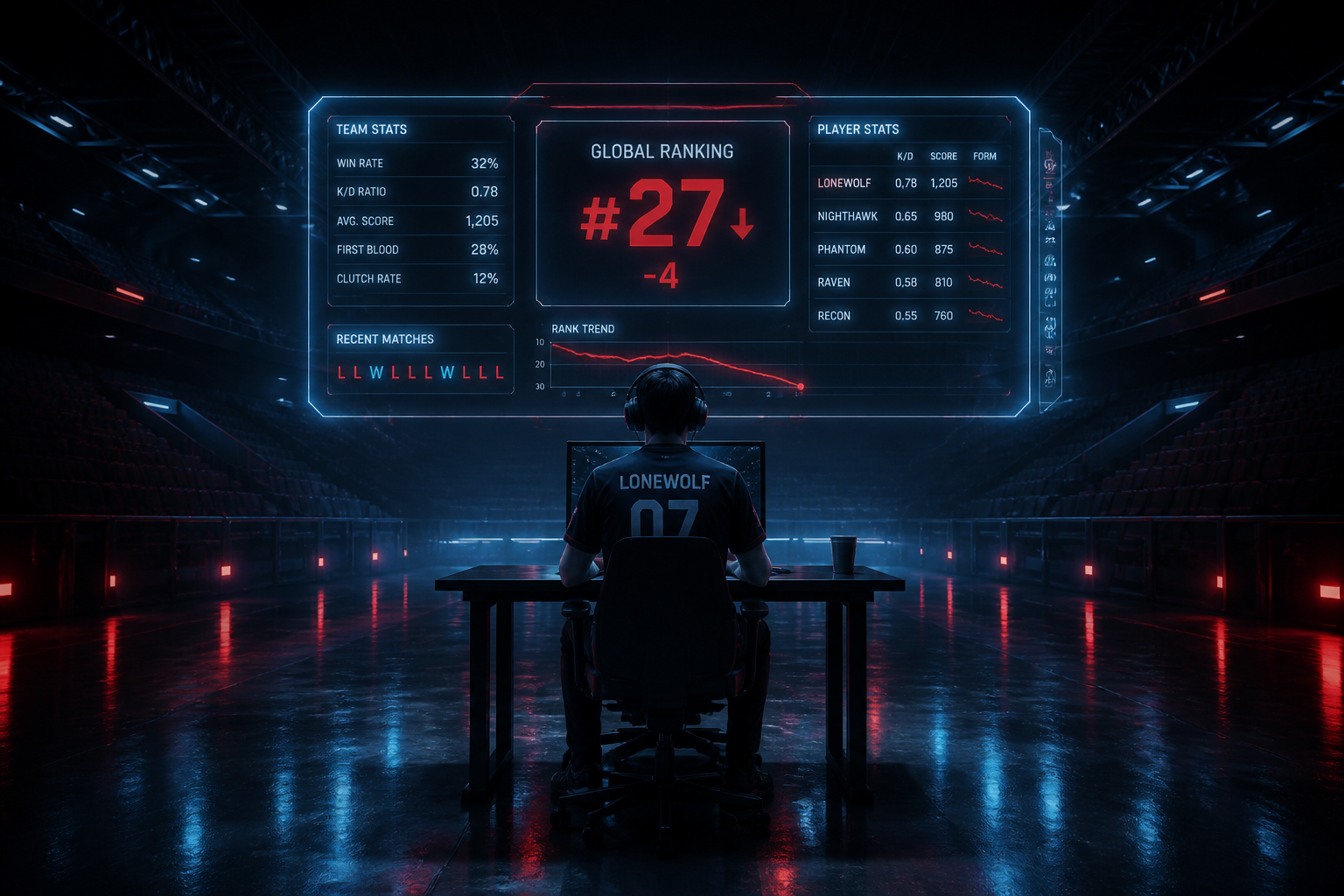
In a highly unusual move, the CEO of esports organization BC.Game publicly requested on October 7, 2026, that Valve and tournament organizer PGL completely reset his team's Regional Major Ranking (RMR) points. The request, reported by HLTV, is a bid to make a critical roster change without incurring the severe point penalties stipulated by the current CS2 Major qualification rules. This public plea highlights a major point of friction in competitive esports: the conflict between rigid rulebooks and the fluid reality of managing a team.
What Happened with BC.Game?
BC.Game finds itself in a strategic bind. The team needs to make a roster change to remain competitive, but the Valve RMR rulebook imposes a hefty penalty for doing so outside of specific windows. Making a change would cost the team a significant portion of the points they have worked hard to accumulate, potentially jeopardizing their entire season and path to the Major. Instead of accepting this penalty, the organization's CEO has opted for a more radical solution.
By asking for a "fresh start" with zero points, BC.Game is essentially trying to sidestep the punitive aspect of the rule. They are willing to sacrifice their current standing entirely for the freedom to build the roster they believe will be successful in the long term. This move challenges the governing bodies to consider the real-world consequences of their regulations and whether the system intended to create stability is instead creating stagnation.
Why Roster Lock Rules Matter
Roster lock rules and point systems are the foundation of year-long competitive circuits like the CS2 RMR. Their primary purpose is to ensure stability and prevent teams from simply buying their way into a Major by signing a whole new roster of top players at the last minute. They reward teams that stick together and build synergy over a season, which is a key component of competitive integrity.
However, the BC.Game situation exposes the downside of these rigid systems. When a player is underperforming, facing burnout, or causing internal issues, a team can be trapped. They are forced to choose between competing with a compromised lineup or sacrificing their qualification chances. This dilemma is not unique to CS2; leagues in VALORANT, Rocket League, and League of Legends all grapple with finding the right balance.
The Broader Context of Roster Rules
Different esports ecosystems have different solutions. The VALORANT Champions Tour, for example, has designated transfer windows that allow for more predictable roster shuffles between stages. Other games might have rules around substitute players that offer more flexibility. BC.Game’s public statement forces a comparison and asks whether the CS2 system has become too unforgiving.
This is more than just one team's problem. It speaks to a systemic issue that affects organizations at every level of competition. For smaller, less-funded teams, being locked into a roster that isn't working can be a death sentence. The financial and competitive cost of rebuilding is immense, and BC.Game's willingness to hit the reset button is a testament to how restrictive the current environment feels.
What This Means for Tournament Organizers
If you are running your own league or tournament series, this is a valuable case study. You must decide how you will handle roster changes. Will you enforce strict locks to ensure the team that signs up is the team that plays? Or will you allow for more flexibility with substitutes or transfer windows to help teams stay competitive?
There is no single right answer, but clarity is non-negotiable. Your rulebook must be explicit about roster deadlines, substitute eligibility, and any penalties for making changes. Using a platform like HUDrift helps you enforce these rules from the very beginning. When players sign up, their roster is logged, and automated Discord DMs ensure every participant has received the rules and check-in reminders, creating a clear and fair environment for all.
BC.Game's bold move may or may not influence Valve's future decisions, but it serves as a powerful reminder for every tournament organizer. Your rules have a direct impact on the health and competitiveness of your scene. You can start building your own competitive ecosystem today when you run a tournament on HUDrift. And as you plan your event's broadcast, you can also join the waitlist for our native desktop app for overlays and production tools.
Frequently Asked Questions
- What are CS2 RMR points?
- RMR (Regional Major Ranking) points are awarded to teams based on their performance in designated tournaments. These points determine which teams receive invitations to the prestigious CS2 Majors, the most important events in the game's competitive calendar. Accumulating points is crucial for any team aspiring to compete at the highest level.
- Why did the BC.Game CEO want to lose their points?
- The CEO wanted to make a roster change that the current RMR rules would heavily penalize. Rather than lose a large percentage of points and still be at a disadvantage, he proposed a full reset to zero. This would give the team the freedom to build their desired roster for the future, even at the cost of their current standing.
- How do roster locks affect esports tournaments?
- Roster locks are deadlines after which teams cannot change their players for a specific tournament or season. They promote team stability and prevent last-minute 'superteam' formations. However, as seen with BC.Game, they can also hinder teams that need to make necessary changes due to performance issues or internal conflicts.
- How can I manage rosters for my own tournament?
- For your own events, establish clear roster rules in advance. Define the number of players, substitutes, and a firm roster lock date. Using a platform like HUDrift allows you to manage signups and player lists efficiently. The system provides a clear record of each team's registered roster, preventing disputes during the event.