HLTV Overhauls Player Stats With 29 New CS2 Metrics
HLTV has revamped its player statistics, introducing 29 new HLTV Attributes. This overhaul changes how CS2 performance is measured for all players.
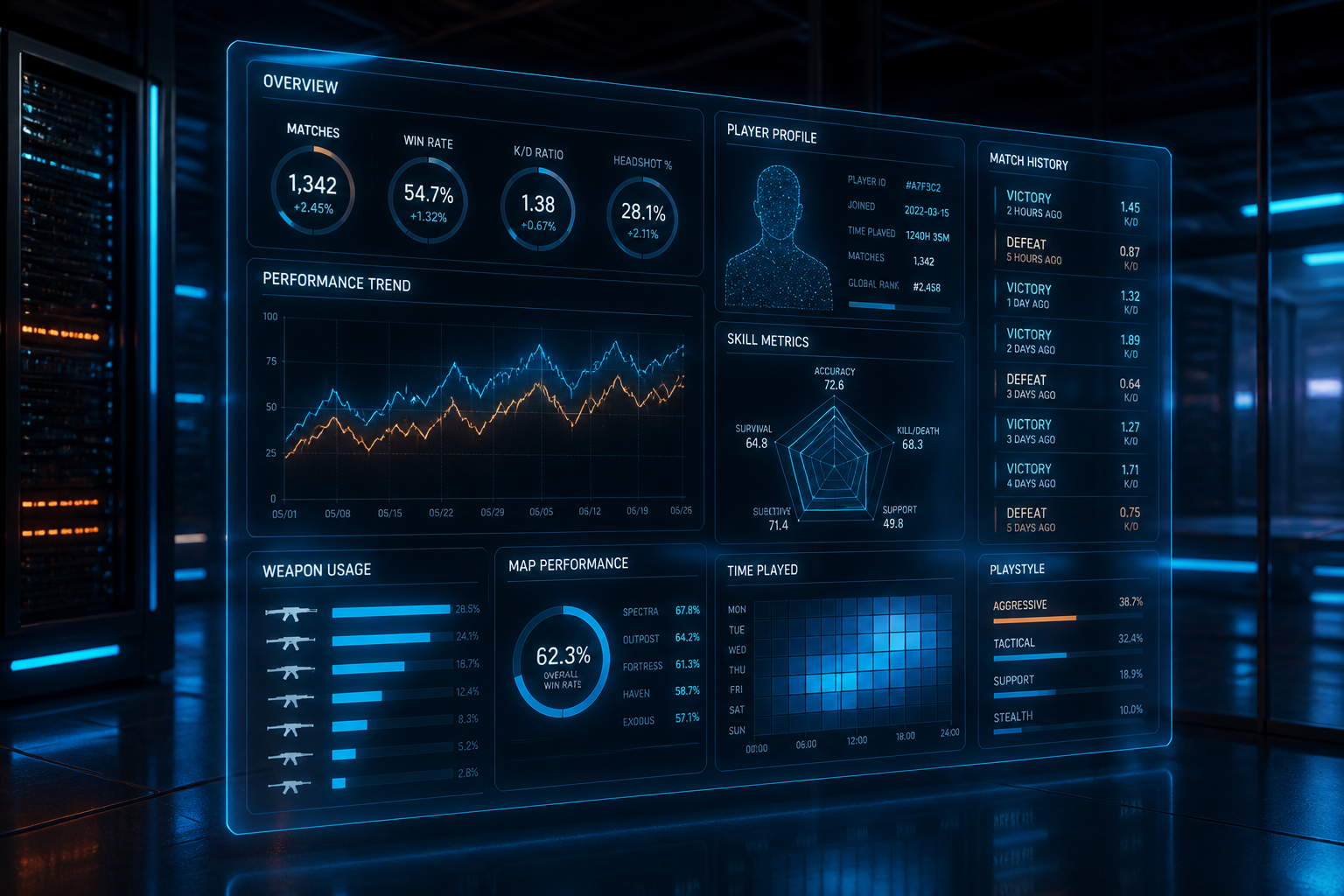
The way we analyze professional Counter-Strike 2 performance has just been redefined. On October 19, 2026, the leading CS2 statistics platform HLTV announced a complete overhaul of its player Attributes system. This update replaces the previous role-based tags with a granular system of 29 new metrics, designed to offer a deeper and more accurate picture of a player's impact in the server.
This change moves beyond simplistic labels like 'Support' or 'Entry Fragger'. The new system is built to quantify specific skills and tendencies, providing a multi-dimensional view of player talent. For anyone involved in competitive CS2, from broadcast talent to community organizers, this new dataset provides a powerful new toolkit for understanding the game.
What's New in the HLTV Attributes Update?
The previous system, which assigned players to roles like Opener, Latcher, and Anchor, has been retired. In its place, HLTV has introduced five core categories: Aggression, Versatility, Tactical, Awareness, and Impact. Within these categories are 29 distinct attributes that measure everything from a player's willingness to initiate duels to their proficiency with different weapon types and their ability to clutch rounds.
This new framework allows for a much more nuanced player profile. Instead of a single role, a player now has a detailed statistical fingerprint that shows their specific strengths and weaknesses. For example, a player might score highly in the 'Aggression' category due to their 'Opener' and 'Space Creator' attributes, while another might excel in 'Awareness' through high scores in 'Positioner' and 'Information' metrics.
Why This Overhaul Matters for CS2 Analysis
This update signals a significant shift from role-based analysis to skill-based analysis. In modern CS2, roles are fluid; a player might be expected to entry-frag on one map and play a supportive lurk role on another. The old system struggled to capture this flexibility, often locking players into a single perceived playstyle. The new attributes reflect what a player *does*, not just the position they start in.
By breaking performance down into specific skills, it becomes easier to compare players with different roles. You can now directly compare the clutching ability of an AWPer against that of a rifler, or measure the trading efficiency of two players who operate on opposite sides of the map. This level of detail uncovers hidden value and helps explain why certain teams succeed, moving beyond simple kill-death ratios.
The Evolution of Esports Statistics
This change is part of a larger trend in esports, mirroring the statistical revolution seen in traditional sports. Early competitive gaming metrics were basic, often limited to kills, deaths, and assists. As the strategic depth of games like CS2 has grown, so has the need for data that reflects a player's true contribution to a win, which often occurs without firing a shot.
Metrics like Average Damage per Round (ADR) and Kills-Assists-Survived-Traded (KAST) were major steps forward, but this attribute overhaul is the next logical progression. It attempts to quantify the intangible aspects of gameplay—map control, information plays, and tactical discipline—that separate good players from great ones. This provides a common language for analysts, coaches, and fans to discuss complex in-game actions.
What This Means for Organizers and Casters
For casters and analysts, these 29 new metrics are a narrative goldmine. You can now build compelling storylines backed by hard data. Instead of just saying a player is 'clutch', you can point to their top-percentile score in the 'Closer' attribute. This adds credibility to your analysis and gives viewers a richer understanding of the match unfolding before them.
As a tournament organizer, this data is invaluable for scouting and creating compelling matchups. You can identify underrated players in the community whose specific skills, like high 'Savior' or 'Retaker' scores, might not be visible in traditional stats. Highlighting these unique player profiles can make your event stand out and attract a more engaged audience.
This new era of statistical depth empowers you to discover and showcase talent in your own community. When you are ready to find players with unique skill sets and build exciting narratives around them, you can run a tournament on HUDrift for free. You can also join the waitlist for our native broadcast app to integrate these data-driven stories directly into your stream overlays.
Frequently Asked Questions
- What are the new HLTV Attributes?
- HLTV Attributes are a set of 29 new statistical metrics used to evaluate a CS2 player's performance. They are grouped into five main categories: Aggression, Versatility, Tactical, Awareness, and Impact. This system replaces the old role-based tags like 'Opener' and 'Support' with a more detailed, skill-based profile that shows a player's specific strengths and tendencies.
- How does this change affect player rankings?
- While the core HLTV player rating formula remains, the new attributes provide a much deeper context for that rating. This allows for more accurate comparisons between players with different roles and playstyles. It helps explain *why* a player has a certain rating by breaking down their performance into specific, measurable skills, which can influence perceptions of who the best players are.
- How can I use these new stats for my tournament broadcast?
- These stats are perfect for broadcast storytelling. During a match, you can use the new attributes to build narratives, compare player styles with concrete data, and highlight specific skills that lead to a round win. For example, you can show a graphic comparing the 'Retaker' scores of two teams before a post-plant situation, adding analytical depth for your viewers.
- How can I run a tournament and find players like this?
- You can use HUDrift to organize your own events and discover talent. Players sign up for your tournament and connect their Discord account. They automatically receive DMs for confirmation, check-ins, and match assignments once you seed the bracket. This streamlined process lets you focus on creating a competitive event and finding players who excel in specific areas, just like the pros.