PGL Masters Bucharest Format, Teams, and Broadcast Talent Revealed
Track the PGL Masters Bucharest format, teams, and talent lineup alongside early stage results and tournament management lessons for your server.
On October 22, 2026, tournament operator PGL revealed the structural roadmap and talent lineup for PGL Masters Bucharest. The offline Romanian showcase brings sixteen elite Counter-Strike 2 squads together to compete for a $500,000 prize purse and crucial ranking points. As matches kick off at the PGL Studios, both the format and early results highlight how tight scheduling shapes modern Tier 1 competition.
Whether you manage an elite stage broadcast or organise weekend qualifiers for amateur rosters, structural choices dictate your entire event workflow. You can examine how PGL balances broadcast pacing, high-stakes elimination matches, and automated brackets to improve your own community events. When you evaluate the competitive framework in Bucharest, you gain direct insight into tournament design that keeps players informed and viewers engaged.
PGL Masters Bucharest Format and Competing Teams
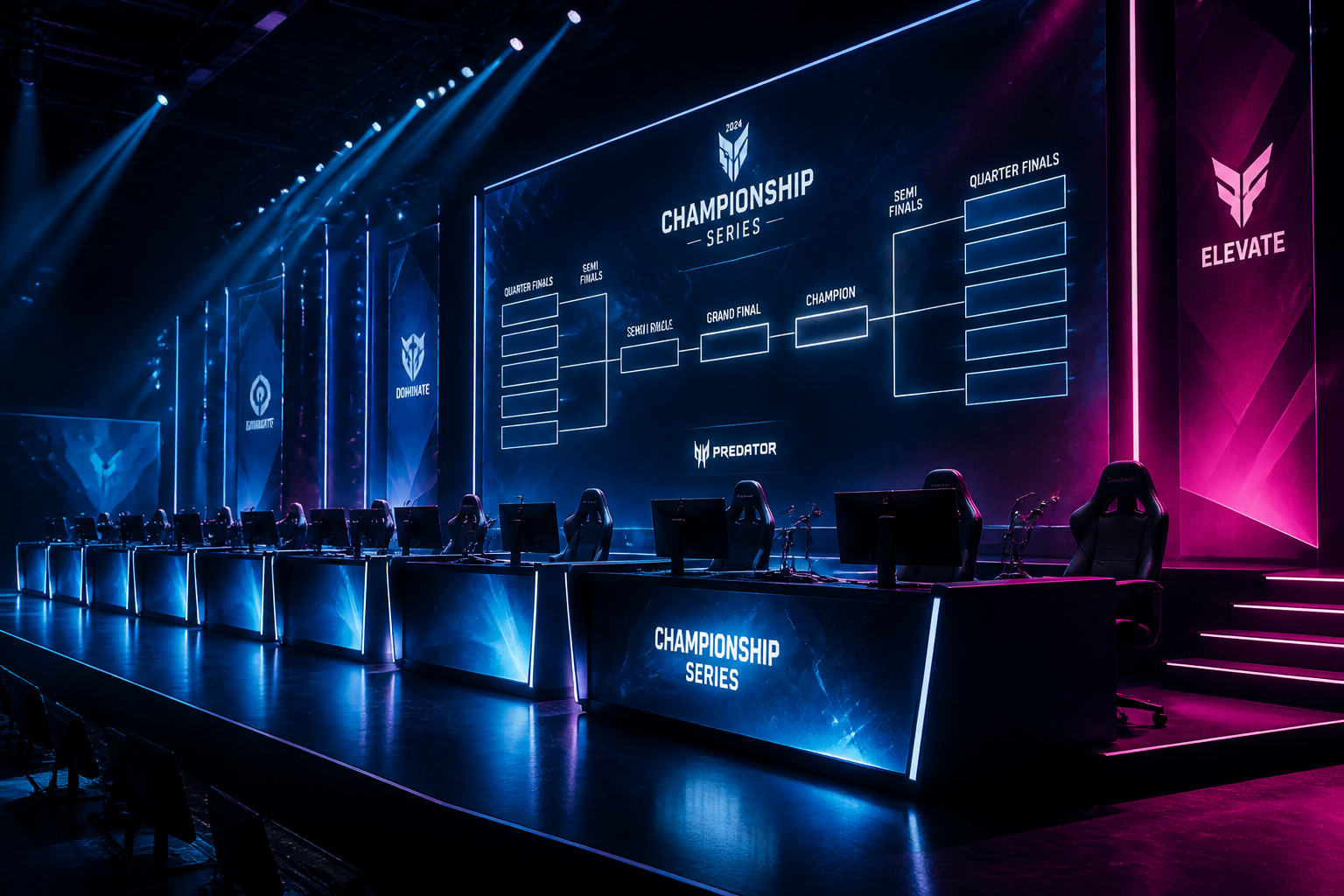
The event divides sixteen squads into dual GSL-style double-elimination groups before transitioning the top performers into a single-elimination playoff bracket. Opening duels and elimination deciders run in best-of-three series, ensuring that no team exits purely due to a slow start on a single map. This hybrid system guarantees that marquee squads receive adequate screen time while keeping competitive stakes razor-sharp from day one.
The roster sheet features a balanced mix of proven title contenders and aggressive underdogs hungry for tier-one scalps. Established powerhouses like Team Vitality, Natus Vincere, Team Spirit, and G2 Esports anchor the pool, challenged by surging squads such as FUT Esports, BetBoom, Nemiga, and The MongolZ. This distribution avoids front-loaded mismatches and keeps bracket progression compelling throughout every broadcast window.
Early Group Stage Momentum and Opening Upsets
Early group play immediately tested theoretical rankings once server action began in Bucharest. Team Vitality cruised past The MongolZ to secure an early spot in the 2-0 pool, displaying polished mid-round calling across their map picks. Meanwhile, FUT pulled off an eye-opening victory over Team Liquid to punch their own 2-0 ticket, proving that tactical discipline can topple superstar rosters early in LAN brackets.
Lower in the pools, survival instincts took over across elimination brackets. Team Spirit bounced back from an initial stumble with a dominant win over TYLOO, relying on explosive entry fragging to maintain control. Elsewhere, BetBoom managed to outlast Nemiga in a grueling series to join the 2-0 bracket, showing that mid-tier squads can dictate tempo when their default setups exploit rotational gaps.
Valve Regional Standings and the Race to the Major
Bucharest stands as an urgent ranking milestone on the 2026 competitive calendar. Because tournament finishes feed directly into the Valve Regional Standings (VRS), individual map differentials and series victories directly impact direct invites to upcoming Major qualifiers. Teams cannot treat early LAN rounds as warm-ups when every series shifts their regional seeding.
This pressure was palpable during NAVI's narrow victory over G2, where clutch individual rounds secured critical VRS positioning for the roster. NAVI rifler Mihai 'iM' Ivan underlined the collective mindset on-site, noting that securing playoffs in Bucharest is designed to make their lives far easier for the upcoming Major cycle. When your tournament impacts future player opportunities, clarity around seeding and match advancement becomes paramount.
Broadcast Talent Desk and On-Air Storylines
Alongside the tournament brackets, PGL confirmed a comprehensive broadcast team featuring seasoned desk hosts, tactical analysts, and rapid play-by-play casting duos. The production alternates between technical breakdown desks and dynamic commentary pairs to maintain rhythm across long match days. This rotation gives viewers deeper strategic context without letting broadcast transitions drag during technical setups.
By balancing veteran analysts with distinct casting pairs, the broadcast builds separate narrative threads for each group. When you manage a multi-stream esport broadcast, matching caster energy with match stakes keeps your audience invested from early rounds to the grand final. PGL synchronises live match data directly with their broadcast lower-thirds, ensuring viewers never lose track of series scores.
Production Lessons for Grassroots Organisers and Casters
While grassroots organisers do not command arena-scale budgets, the operational principles behind PGL Masters Bucharest apply directly to community servers. Clear tournament rules, visible bracket progress, and rapid team communications keep participants satisfied regardless of match tier. When your bracket operations stall, player frustration spreads quickly and causes ripple delays across your entire schedule.
Manual admin management often drags down community operations when organisers paste updates across fragmented chat rooms. You can eliminate manual friction when you run a tournament on HUDrift to centralise match operations entirely from the web. Players sign up for your showcase, connect Discord, and receive an instant signup confirmation DM, followed by a check-in DM roughly one hour before competition starts.
Once you seed matches on the platform, HUDrift automatically delivers opponent and matchup DMs straight to player inboxes while rendering live bracket updates and broadcast overlays. Community broadcasters who want custom studio scene management can also join the waitlist for HUDrift's upcoming native desktop broadcast app. Modern tournament tools let you deliver tier-one communication standards without losing hours to administrative chaos.
Frequently Asked Questions
- What is the tournament format for PGL Masters Bucharest?
- PGL Masters Bucharest uses a sixteen-team double-elimination GSL format divided into two groups, where opening, elimination, and decider matches are played as best-of-three series. The top teams from each group qualify for a single-elimination playoff bracket that concludes with a best-of-five grand final.
- Why do Tier 1 CS2 events use GSL groups instead of pure single elimination?
- GSL groups protect competitive integrity by giving teams an upper and lower path to qualify for playoffs. This structure prevents top seeds from being eliminated after a single cold map, guarantees multiple broadcast appearances for competing organisations, and ensures the best-performing squads earn bracket advancement.
- What impact does PGL Masters Bucharest have on Major qualification?
- Results from PGL Masters Bucharest contribute directly to the Valve Regional Standings (VRS), which determine direct invitations and seeding for the next CS2 Major cycle. High placements allow teams like NAVI and Vitality to secure critical ranking points and avoid grueling open qualifiers.
- How does tournament structure impact on-air broadcast pacing?
- Standardised best-of-three matches create predictable production blocks, allowing desk hosts, analysts, and casters to schedule tactical breakdowns and commercial rotations cleanly. Structured group pools prevent overlapping matches on primary feeds and help broadcast crews build coherent narrative arcs throughout the day.
- How does HUDrift handle tournament check-ins and match seeding?
- When players enter an open tournament or showcase on HUDrift and connect Discord, they get an automated confirmation DM. HUDrift sends a check-in DM roughly one hour before start time, and as soon as the host seeds the bracket, players receive an automated matchup DM with their opponent details.