Team Vitality HQ Vandalized, Trophy Stolen During Paris Protests
Team Vitality's Paris headquarters, V.Hive, was vandalized and looted during recent protests, with an esports trophy reportedly stolen from the venue.
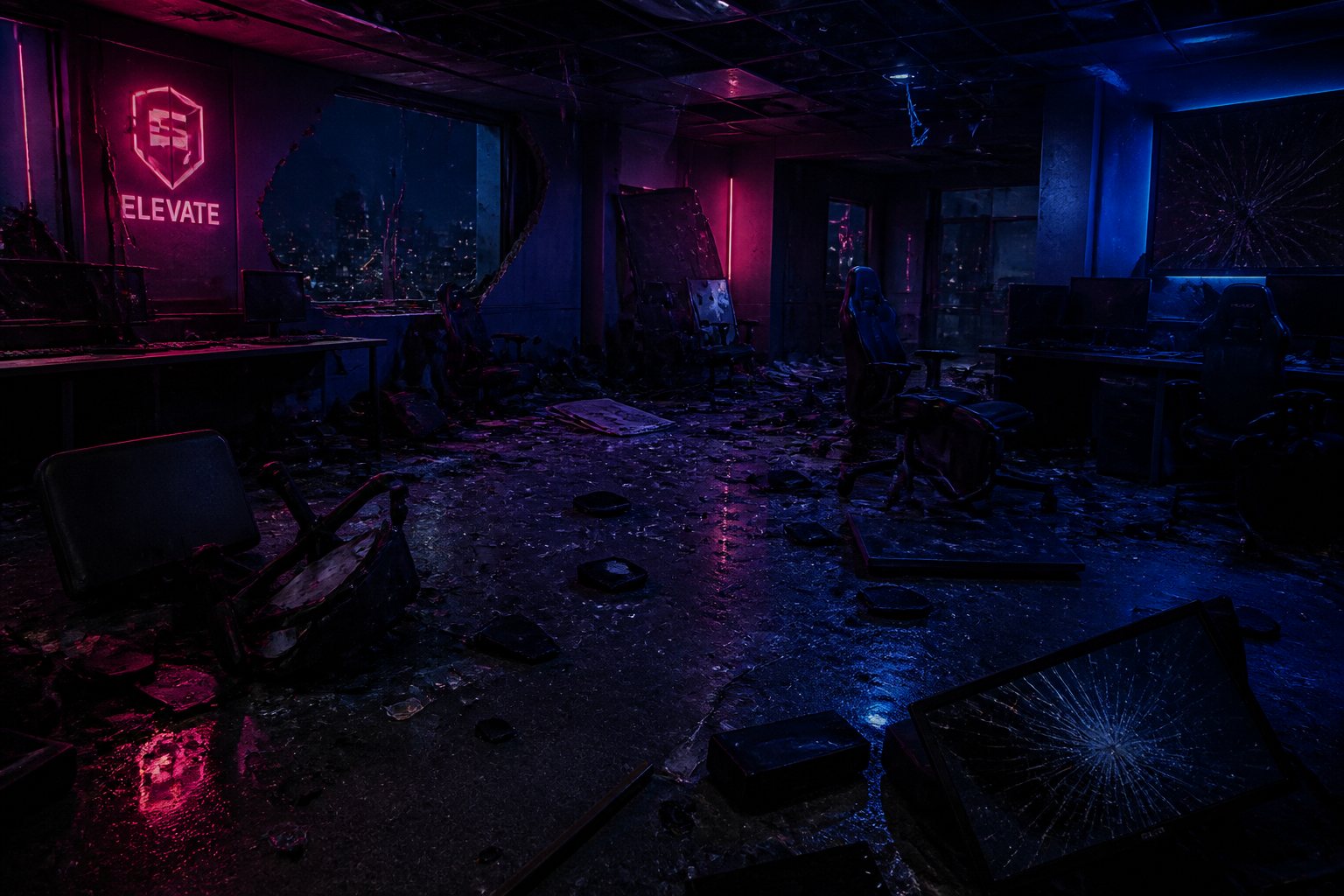
Team Vitality, one of Europe's most prominent esports organizations, saw its Paris headquarters vandalized and looted on the night of October 17, 2026. The incident occurred during widespread protests in the French capital, with rioters forcibly entering the V.Hive facility. According to reports from Dexerto and other outlets, the damage was significant, and at least one of the organization's major esports trophies was stolen from the premises.
What Happened at V.Hive?
The V.Hive is more than just a corporate office; it's a 10,000-square-foot public-facing venue in the heart of Paris that serves as a fan hub, retail store, and training center. During the unrest, individuals broke through the storefront, causing extensive damage to the interior. Videos and images circulating online show smashed displays, looted merchandise, and general disarray throughout the building.
In response to the events, Team Vitality confirmed the incident and announced that the V.Hive would be closed until further notice. The organization stated its staff was safe, but the material losses are substantial. The theft of a championship trophy is a particularly symbolic loss, representing a physical piece of the team's competitive history and success being stolen.
The Vulnerability of Physical Esports Venues
This incident is a stark reminder that as esports organizations invest more heavily in physical infrastructure, they also expose themselves to real-world risks beyond the server. High-street locations like V.Hive are designed to increase brand visibility and fan engagement, but they also become vulnerable during times of civil unrest. The attack was not targeted at Team Vitality specifically but was part of broader, indiscriminate property damage.
For the wider esports industry, this raises serious questions about security protocols for team facilities, training centers, and LAN tournament venues. While online competition is insulated from such events, the industry's push towards localized, physical fan experiences comes with inherent security challenges. The high-tech equipment and valuable assets housed in these locations make them potential targets for theft and vandalism.
Context: A Trend of Real-World Impact
While extreme, the vandalism at V.Hive is not an isolated case of real-world events disrupting esports. In recent years, tournaments like the FIFAe Finals 2026 have been postponed abruptly due to logistical issues, and geopolitical conflicts have impacted player travel and participation in international events. These incidents demonstrate that no matter how digital the competition is, the ecosystem relies on a stable physical world.
The key difference here is the direct, physical violation of a team's home base. It moves the problem from a logistical challenge to a direct threat against an organization's assets and sense of security. This will likely prompt other major teams with public venues to review their own security measures and contingency plans.
What This Means for Organizers and Casters
If you organize local LAN events or manage a community venue, this event serves as a critical case study in risk assessment. When choosing a location, you must consider not just foot traffic and accessibility, but also the overall security of the area and the potential for unforeseen disruptions. Having a clear emergency plan, adequate insurance, and protocols for securing assets are no longer optional considerations.
For casters and online tournament organizers, this highlights the resilience of the digital format. While physical events offer a unique atmosphere, online tournaments are protected from this specific type of disruption. Your ability to run a successful event is not dependent on a single physical location, offering stability for your players and community when the real world becomes unpredictable.
The situation in Paris is a worst-case scenario for a physical venue, but it reinforces the value of having a robust and secure online space for competition. You can create that reliable environment for your own community today by running a tournament on HUDrift. Our platform automates signups and communication through Discord, ensuring your event runs smoothly from anywhere. You can also join the waitlist for our upcoming desktop broadcast app to prepare your production toolkit.
Frequently Asked Questions
- What is Team Vitality's V.Hive?
- V.Hive is Team Vitality's headquarters and flagship public venue located in central Paris. It functions as a fan hub, retail store for merchandise, and a training facility for its players. The multi-story building is designed to be a central point for the organization's community engagement, hosting events, meet-and-greets, and viewing parties. Its high-street presence makes it a visible landmark for the esports brand in its home country.
- Was anyone from Team Vitality harmed?
- No. Team Vitality issued a statement confirming that all of their staff were safe and unharmed. The incident occurred at night when the facility was closed to the public and staff. The primary impact was property damage, theft of merchandise, and the loss of at least one championship trophy. The organization has closed the venue indefinitely to assess the damage and begin repairs.
- How does this affect Team Vitality's competitive schedule?
- The incident is unlikely to directly impact their participation in official online matches, as pro players often compete from dedicated bootcamp facilities or their homes. However, it disrupts the team's operational headquarters and can affect player morale, training schedules, and content creation plans centered around the V.Hive. The primary effect is logistical and psychological rather than an immediate competitive disqualification from any ongoing leagues.
- What security lessons can smaller organizers learn from this?
- For local LANs, this highlights the need for thorough venue risk assessment. Organizers should evaluate the security of the location and have contingency plans for emergencies. This includes having clear evacuation routes, training staff on security protocols, and ensuring valuable equipment is secured. It also underscores the importance of having adequate event insurance to cover potential property damage or theft, even from events outside your control.