Vitality Faces Falcons in BLAST Rivals Opener as Matchups Finalized
BLAST Rivals sets a high-stakes opening clash between Vitality and Falcons, locking in groups and schedules for the upcoming tournament.
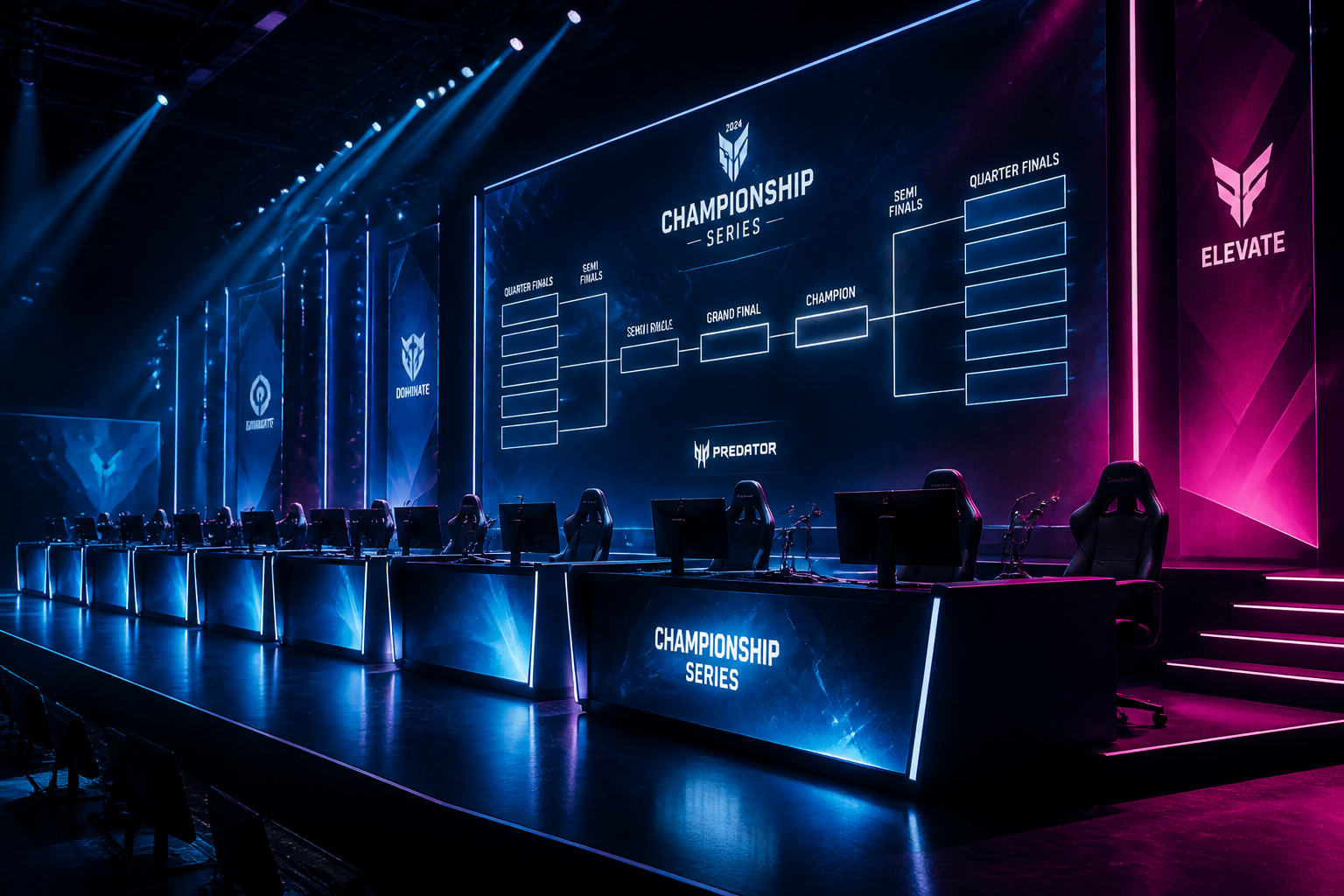
Tournament organiser BLAST has finalised the bracket schedule for its upcoming showcase, locking in a heavyweight opening clash between Team Vitality and Team Falcons. As detailed in the BLAST Rivals opener report on HLTV on October 20, 2026, the pairing puts two of the circuit's top-ranked squads against each other in the first round of the upper bracket. The fixture sets an aggressive tone for the event, which features eight invited rosters competing across a double-elimination format.
What Happened: The BLAST Rivals Opening Schedule
BLAST confirmed the full round-one schedule following the seeding cutoff for the seasonal circuit. Vitality enters the server as the top seed following consistent international playoff appearances throughout the autumn calendar. Falcons secured their entry through points accrued across partner stages and regional qualifiers, setting up an immediate tactical rematch between former teammates.
The tournament features best-of-three series throughout the upper and lower brackets, concluding with a best-of-five grand final. Alongside Vitality versus Falcons, the remaining opening-round matches place high-tempo underdogs against established European powerhouses. Every team will have a safety net in the lower bracket, but dropping an opener forces an exhausting four-series sprint to reach the trophy stage.
Why It Matters: Seeding Friction and Player Narratives
Opening matches of this calibre rarely happen in traditional group formats that rely on drawn-out round-robin schedules. By pairing two top-tier title contenders on day one, BLAST forces both rosters to reveal their default protocols and map vetos immediately. You get elite Counter-Strike from the broadcast's opening hour rather than waiting through multiple lopsided elimination bouts.
This clash also carries deep roster storylines that give casters and analysts concrete hooks. Both organisations have invested heavily in star-studded rosters built specifically to contend for international trophies. A loss in round one sidelines a tier-one contender into survival mode, where single-elimination pressure transforms routine pistol rounds into tournament-defining sequences.
Context: CS2 Tournament Formatting in Late 2026
Organisers across competitive Counter-Strike have had to streamline tournament calendars to combat viewer burnout and congested player travel. With IEM Beijing also setting its opening groups this week, event operators must make every broadcast hour count. High-density brackets with marquee round-one fixtures ensure immediate audience retention without bloating broadcast schedules.
Double-elimination structures provide competitive integrity by giving beaten favorites a path through the lower bracket while rewarding winners with rest days. For organizers managing remote broadcasts or packed weekend stages, clear progression tracks help production crews plan segment transitions and observer workflows well in advance. Viewers understand the stakes instantly when every series eliminates a contender or books an arena slot.
What It Means for Tournament Organisers and Casters
If you produce grassroots tournaments or collegiate broadcasts, the BLAST Rivals opening format offers an effective structural model. You do not need twenty matches to build tension; seeding your strongest squads into high-impact openers creates instant narrative value for your stream. Casters can focus entirely on strategic matchups and player form instead of manufacturing enthusiasm for one-sided blowouts.
Streamlining bracket management is vital when coordinating multi-stage brackets for your community. When you run a tournament on HUDrift, your players receive automated Discord DMs for check-ins, seedings, and round pairings without manual admin intervention. You can focus your energy on broadcast overlays, observer feeds, and desk commentary while the platform handles bracket progression in real time.
Pro events like BLAST Rivals show that clear scheduling and crisp tournament brackets make competitive gaming compelling to watch. When you are ready to host your own league, showcase, or weekend bracket, you can run a tournament on HUDrift to manage signups and bracket graphics effortlessly. For production crews wanting deeper OBS integration, you can also join the waitlist for the upcoming HUDrift desktop broadcast app.
Frequently Asked Questions
- What is the format for BLAST Rivals?
- BLAST Rivals features eight invited Counter-Strike teams competing in a double-elimination bracket. All initial matches and lower-bracket rounds run as best-of-three series, while the grand final switches to a best-of-five format. This structure ensures that every squad receives at least two chances to advance while rewarding the upper-bracket winner with scheduling advantages.
- Why are Vitality and Falcons meeting in the opening round?
- The opening matchup is determined by the tournament's seeding system, which ranks rosters based on accumulated circuit points and regional performances. Because of recent points distribution across partner tournaments, Falcons fell into an unseeded lower slot while Vitality held a top seed. This created a high-profile round-one collision instead of a deferred playoff showdown.
- How does automated tournament software help community organisers?
- Manual bracket tracking and Discord coordination often lead to delayed matches and admin fatigue. Platforms like HUDrift automate player signups, deliver direct-message check-in notices via Discord roughly one hour before launch, and alert participants when opponents are seeded. This automation lets grassroots organisers run professional brackets without juggling spreadsheets or manual announcements.
- Can I use HUDrift to broadcast custom brackets on stream?
- Yes, HUDrift generates broadcast-ready bracket layouts and overlays directly from your tournament settings. Production crews can add these browser sources straight into streaming software like OBS Studio to keep viewers informed between maps. Organisers looking for native desktop overlays can also sign up for the waitlist for HUDrift's upcoming broadcast app.