Why Your 2026 Revenue Mix Depends on Mid-Tier Tech
Ditch the sub-goal grind. Real longevity in 2026 relies on leveraging viral niche games and long-horizon event planning like PGL's 2027 roadmap.
The days of surviving solely on Twitch Prime subs and a shaky ad-revenue share are officially dead. As we look toward the 2026 ecosystem, the streamers and casters thriving aren't the ones begging for gifted subs, but those positioning themselves as miniature media conglomerates capable of bridging the gap between viral discovery and long-term broadcast stability. You see it in the data: subs are a fluctuating liability, while the real money is moving toward diversified IP ownership and the 'creator-as-tournament-organizer' model that turns your audience into a proprietary ad network.
The 2027 Horizon: Learning from PGL’s Long Game
If you want to understand where the money is going, look at the infrastructure shifts. According to HLTV, 'PGL announce 2027 China event,' signaling a massive three-year lead time for major tournament planning. For the individual caster or streamer, this is a wake-up call to stop thinking about tomorrow’s stream title and start thinking about the seasonal calendar. The 2026 economy rewards those who lock in long-term sponsorships by showing a roadmap that mimics these tier-one organizers. You shouldn't just be 'going live'; you should be pitching brands on a twelve-month narrative arc that leverages the stability of established titles while keeping room for viral pivots.
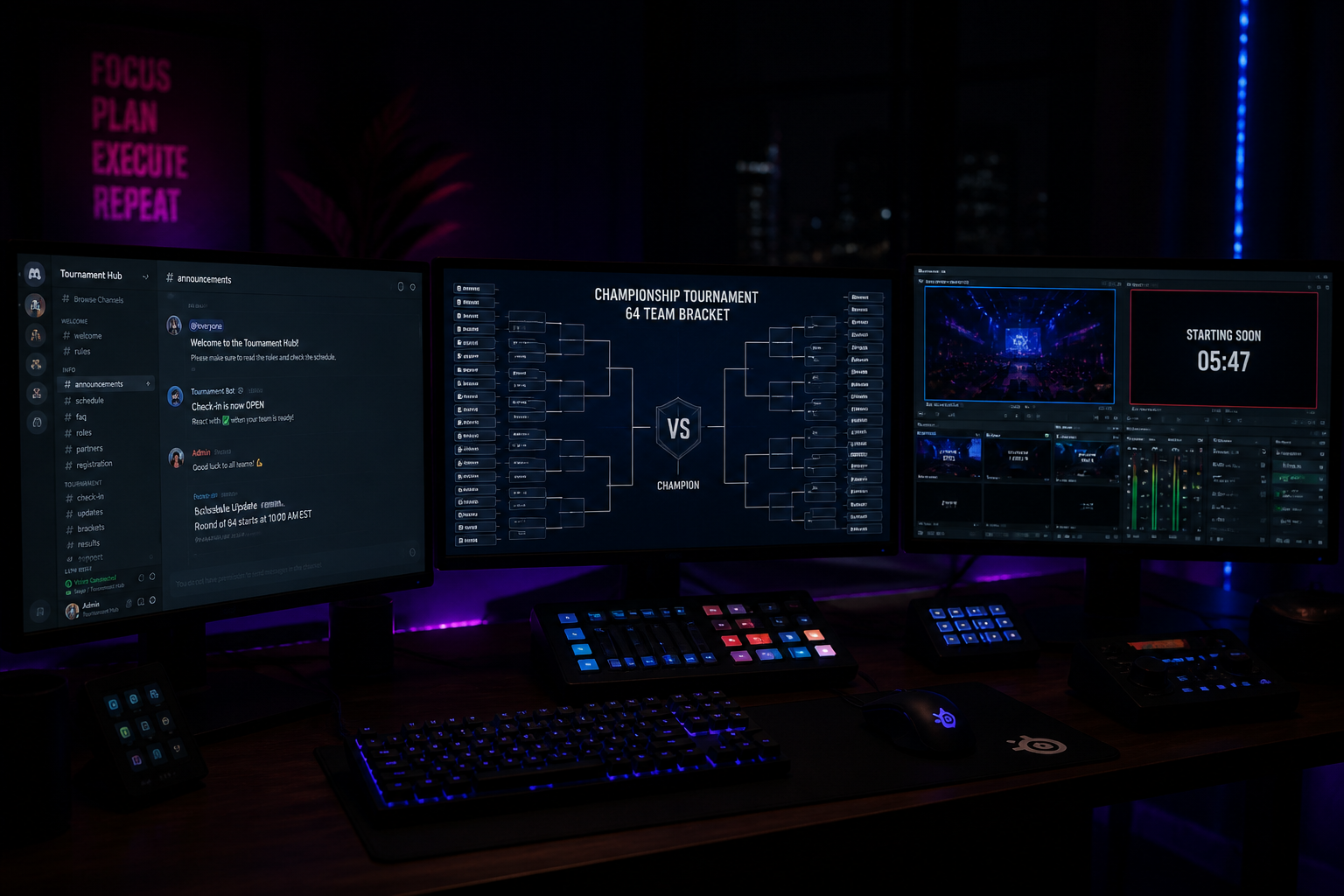
Revenue in the casting world is becoming hyper-localized and event-dependent. While ‘ropz: "I always feel nervous playing a Major"’ reminds us that the high-stakes pressure of the big stage isn’t going anywhere, the middle-class caster needs to find their own 'Major.' This means moving away from a freelance-for-hire mindset and toward producing your own creator-funded invitationals. When you own the tournament, you own the ad inventory, the mid-roll triggers, and the secondary rights to the highlight clips. You move from a line-item expense for an organizer to a revenue-generating partner.
The Viral Pivot: Monetizing the New Meta
The 2026 streamer can’t just be a one-trick pony in a saturated FPS market. You need the flexibility to jump on mechanics-driven hits like the 'Viral Prop Hunt game that lets you hide by painting yourself.' These moments of high visual engagement are sponsorship gold because they provide organic, non-disruptive placement opportunities. If a game’s core mechanic is about visual blending and creative camouflage, a savvy broadcaster integrates brands into those specific gameplay loops rather than just slapping a logo over the mini-map.
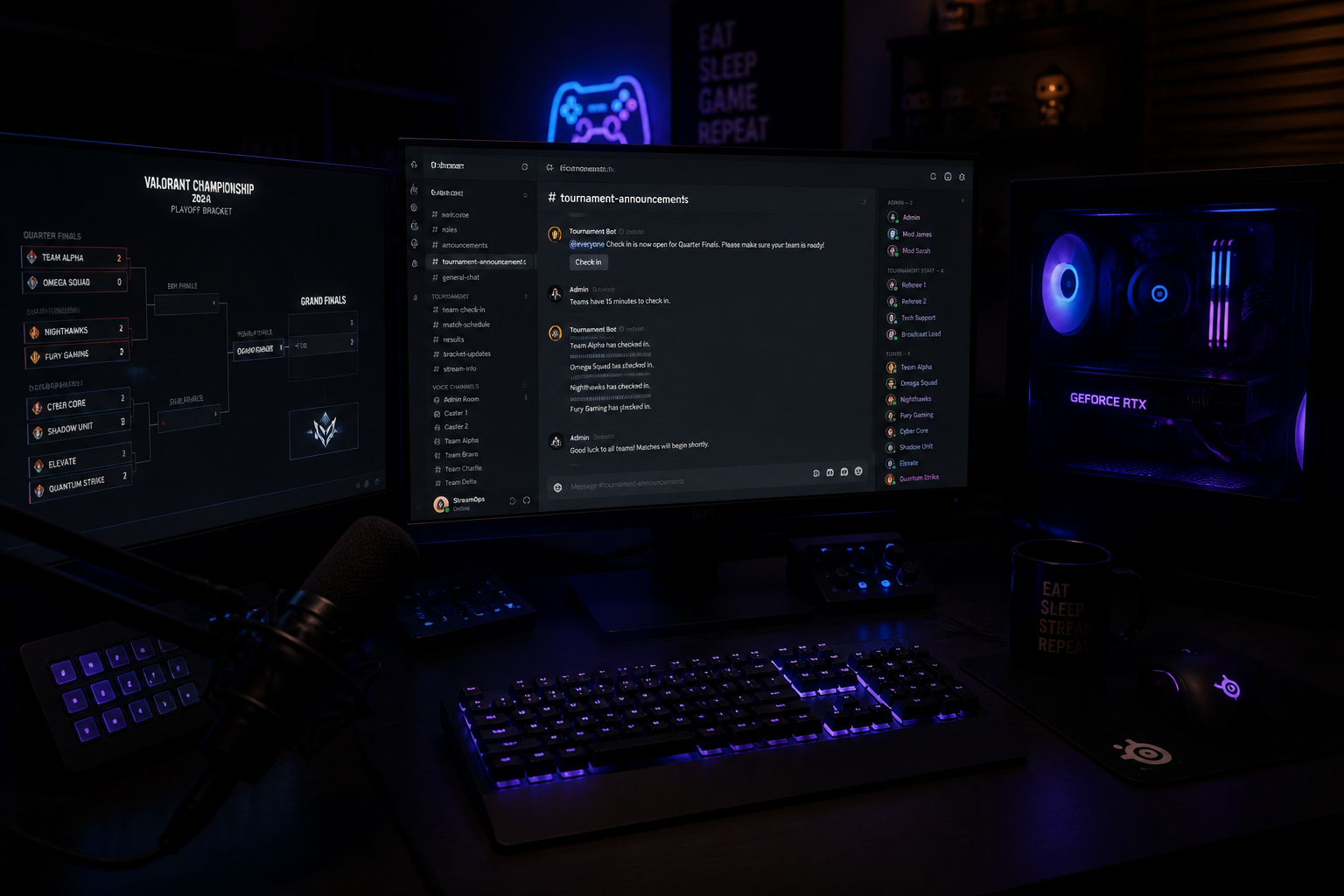
However, chasing the viral dragon requires a team-based approach to content production. We saw a cautionary tale in the HLTV report on Legacy where 'dumau: "We had difficult adversities, but we didn't deal [with it] as a team together"' served as a reminder that internal cohesion is the backbone of any successful brand. In the creator economy, your 'team' is your mod squad, your editor, and your producer. If you aren't dealing with the technical adversities of multi-platform restreaming and sponsorship fulfillment as a unified unit, your revenue will leak through the cracks of a disorganized Discord server.
- Creator-Funded Tournaments: Shift from being a 'hired voice' to an executive producer of your own small-scale leagues.
- Interactive Ad-Integration: Use tools like OBS plugins to create game-state-aware overlays that trigger brand assets during clutch moments.
- The Long Roadmap: Secure 2026/2027 sponsors by presenting a quarterly event calendar rather than a weekly stream schedule.
- Niche Expansion: Balance 'stable' titles like Counter-Strike with high-engagement viral hits that offer better CPM for hardware sponsors.
Sponsorships Over Subs: The New Stability
By 2026, the 'Sub Goal' is a relic of a less sophisticated era. Smart streamers are pivoting toward high-value, low-volume partnerships. The influx of lifestyle brands into the space—evidenced by the Dexerto report on 'Pokemon Go x Lego collab announced'—shows that even the most toy-centric or lifestyle-oriented brands are hungry for gaming real estate. They aren't looking for 5,000 people to hit a 'subscribe' button; they are looking for a trusted voice to contextualize their product within a community. Your value isn't your sub count; it's your ability to tell a story between the matches of an IEM Cologne Major Stage 3 highlight reel.
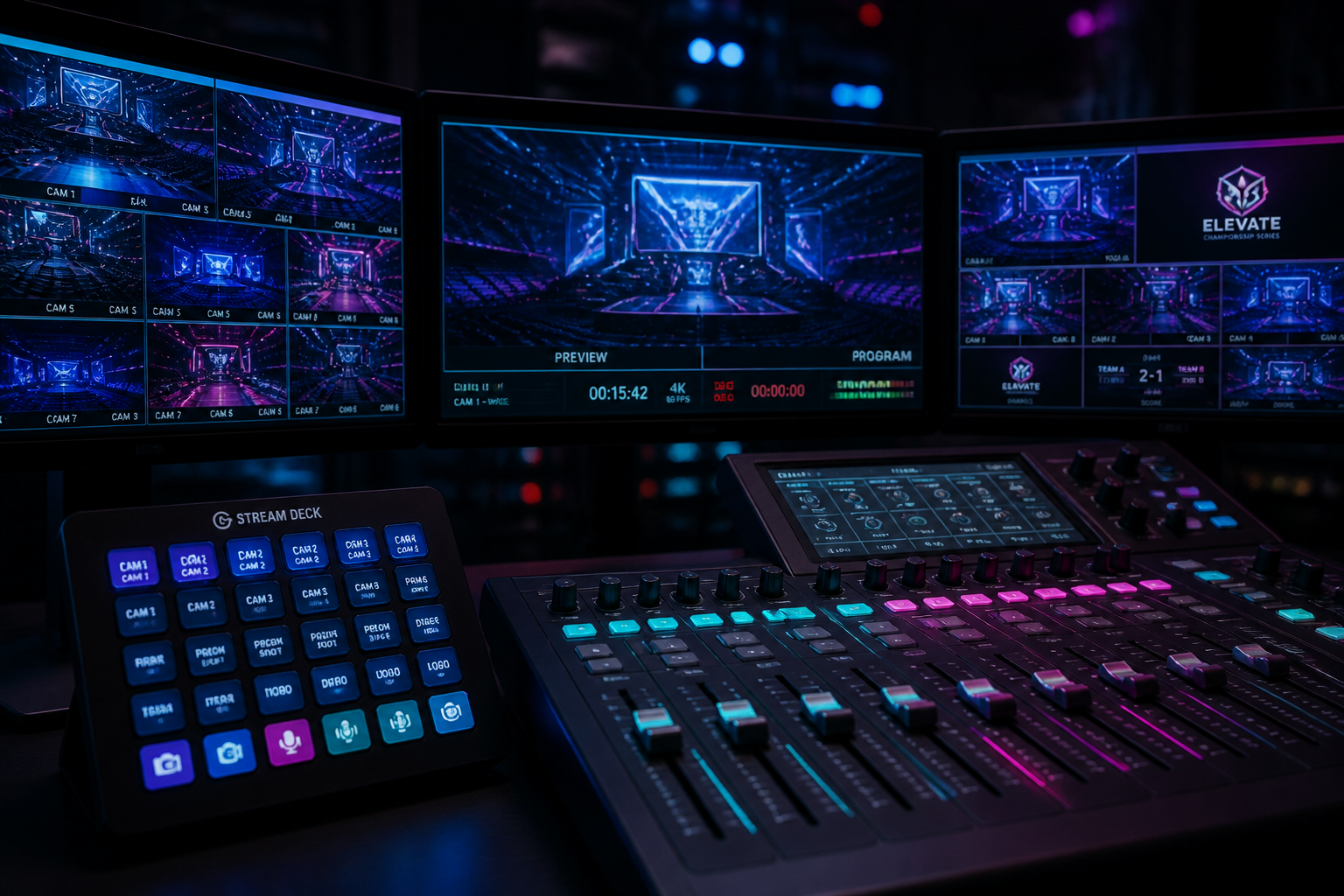
To harness this, your production quality must be indistinguishable from a major network. This involves utilizing advanced OBS scene nesting, hardware-accelerated encoding, and real-time data integration. If you’re still manually switching scenes in 2026, you’re losing money. The modern economy demands a broadcast that looks like it cost $100k to produce, even if it was built in a bedroom in Mexico. Every frame is a chance to prove to a sponsor that you are the most professional vehicle for their message.
Navigating the 2026 economy requires more than just a good personality; it requires a tech stack that works as hard as you do. Whether you are analyzing a God Roll for a new Destiny 2 weapon or casting a PGL grand final, your tools determine your ceiling. Use HUDrift to stay ahead of these shifts, refine your broadcast workflow, and turn your stream into a resilient, diversified business that doesn't care about the next platform's ad-split changes.