Remote Rigs & Automation for Regional Leagues 2026
Ditch the expensive stadium truck. We analyze how regional leagues use VDO.Ninja, remote replay rigs, and automation to hunt for professional fidelity.
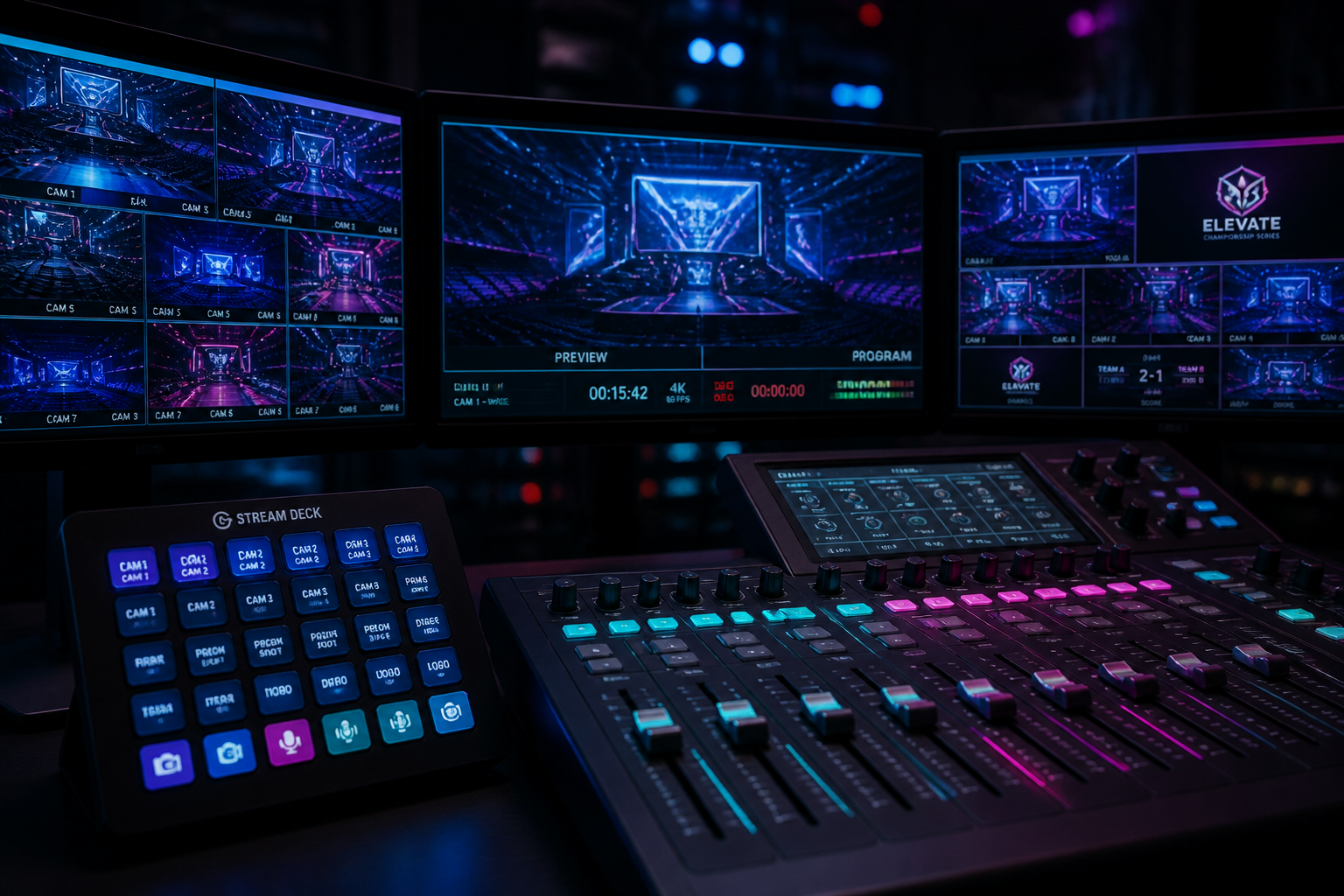
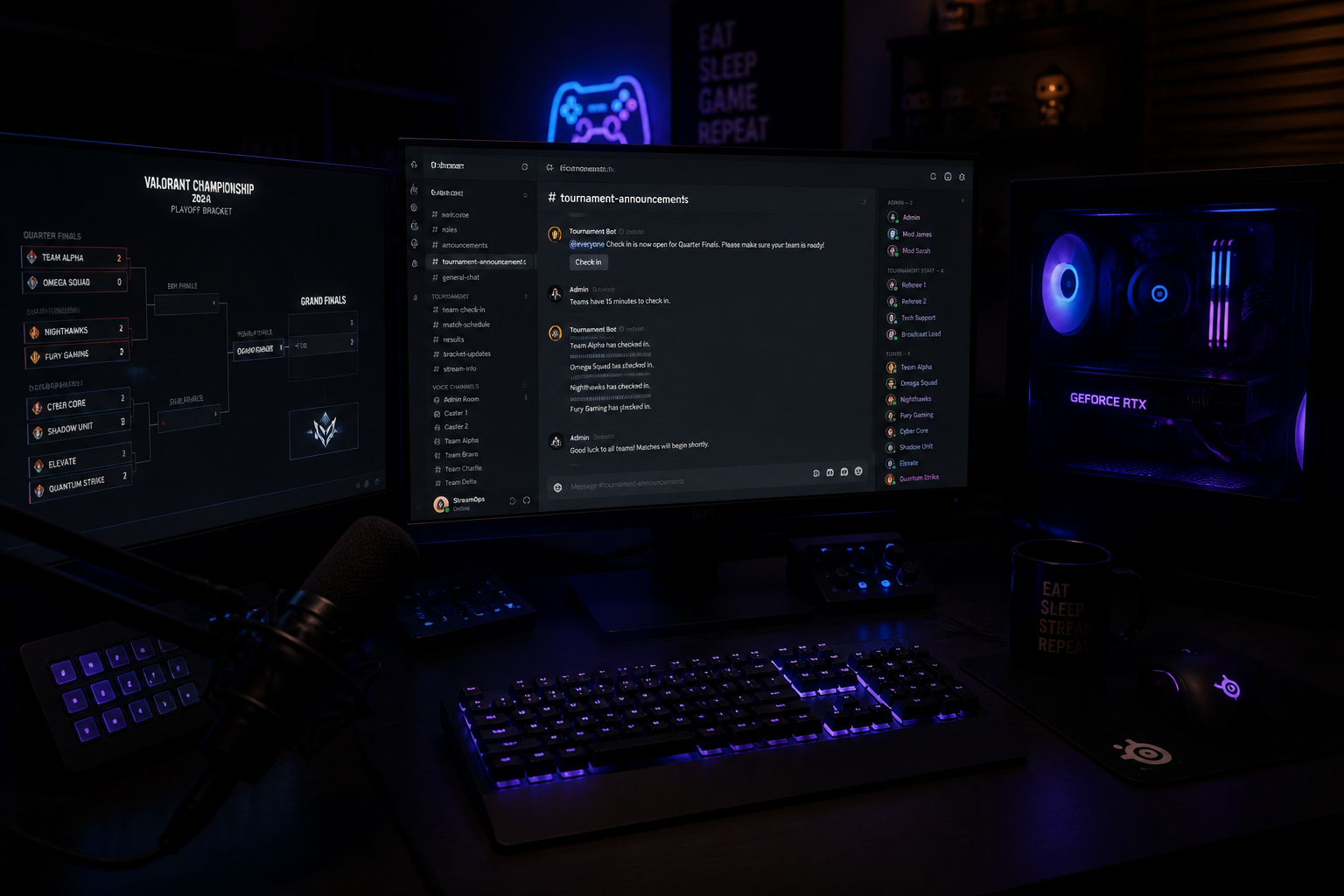
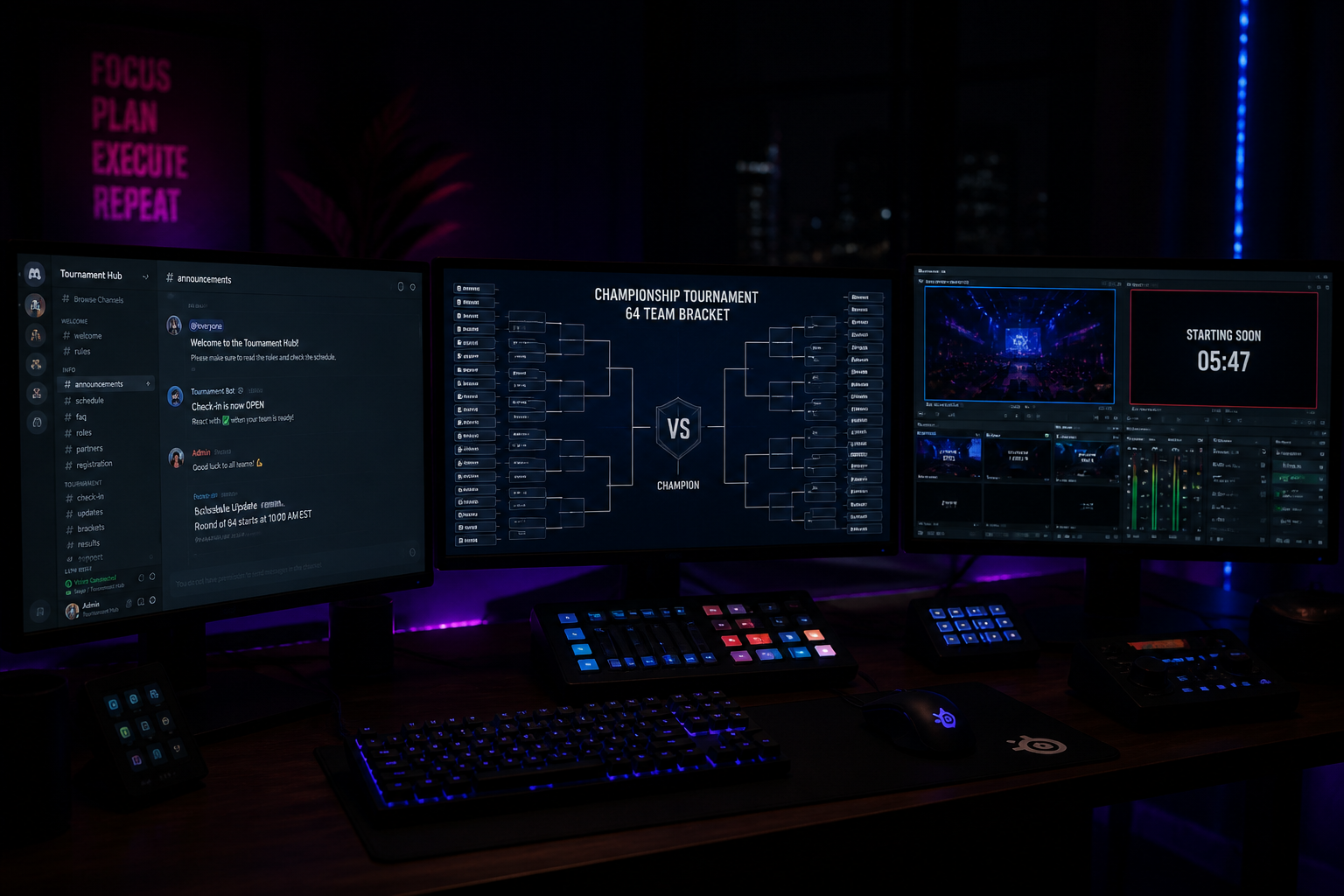
The days of needing a million-dollar OB truck to produce high-tier esports are officially dead. As we look at the 'VCT 2026 Masters London' scheduled layout from DotEsports, the contrast between massive LAN spectacles and the grueling regional qualifiers has never been sharper. Forcasters and producers working the trenches, the goal isn't just surviving the broadcast; it's about mimicking the polish of the 'IEM Cologne Major Stage 3' without the Cathedral of Counter-Strike budget. You are no longer just a button-pusher; you are a systems architect managing a distributed network of remote talent and automated replay hooks.
The Virtual Production Stack: Beyond Basic OBS
In 2026, the 'bedroom caster' is a misnomer. The top-tier regional leagues are leveraging SRT (Secure Reliable Transport) and VDO.Ninja to pull 10-bit color feeds from observers located three time zones away. When you watch the 'Spirit quell 9z' highlights on HLTV, you aren't just seeing great gameplay; you are seeing the result of a meticulously synchronized production clock. Regional producers are now using cloud-hosted instances of vMix or OBS to handle the heavy lifting, allowing the director to switch its 4K canvases from a laptop while the actual rendering happens in a data center.
This shift to the cloud has solved the 'talent latency' problem that plagued early 2020s broadcasts. By using localized ingest points, a caster in Sweden can riff with a color commentator in Brazil without the awkward one-second delay that kills the hype of a clutch. The technical backbone is now invisible, but the production value is undeniable. We are seeing Tier-2 tournaments utilize automated lower thirds that pull real-time API data from the game engine, ensuring that every stat—from headshot percentages to utility damage—is updated instantly without human intervention.
The Replay Revolution: AI-Driven Highlights
Replays used to be the differentiator between pro and amateur streams. If you didn't have a dedicated EVS operator, you didn't have a highlight reel. Not anymore. Modern regional production kits use automated clipping tools like Sizzle GG or custom Python scripts that listen for kill-feed events in the game log. When a player like FalleN chases a 'third Cologne win,' as reported by HLTV, the production software automatically flags the multi-kill, buffers the last 15 seconds of the observer feed, and readies it for the 'Instant Replay' transition.
- Cloud-based NDI routing for zero-latency observer handoffs
- Automated scene switching triggered by in-game events via Game State Integration (GSI)
- Remote tally lights that sync with caster webcams to indicate 'On Air' status
- AI-assisted audio leveling to keep high-energy casting from clipping the master bus
The Psychology of Professionalism
There is a psychological edge to a clean broadcast. Just as the Dexerto reports on 'dopamine sites' mimicking the shopping experience to hook users, a high-fidelity broadcast hooks viewers by signaling authority. If your stream looks like the 'IEM Cologne Major,' viewers treat the competition with the same gravity. This isn't just about flashy stinger transitions; it's about the reliability of the tech stack. When you are covering the 'Falcons vs NAVI' matchup, the audience expects clean audio, frame-perfect transitions, and zero downtime. In 2026, the technology exists to make a $500 setup sound like a $50,000 studio.
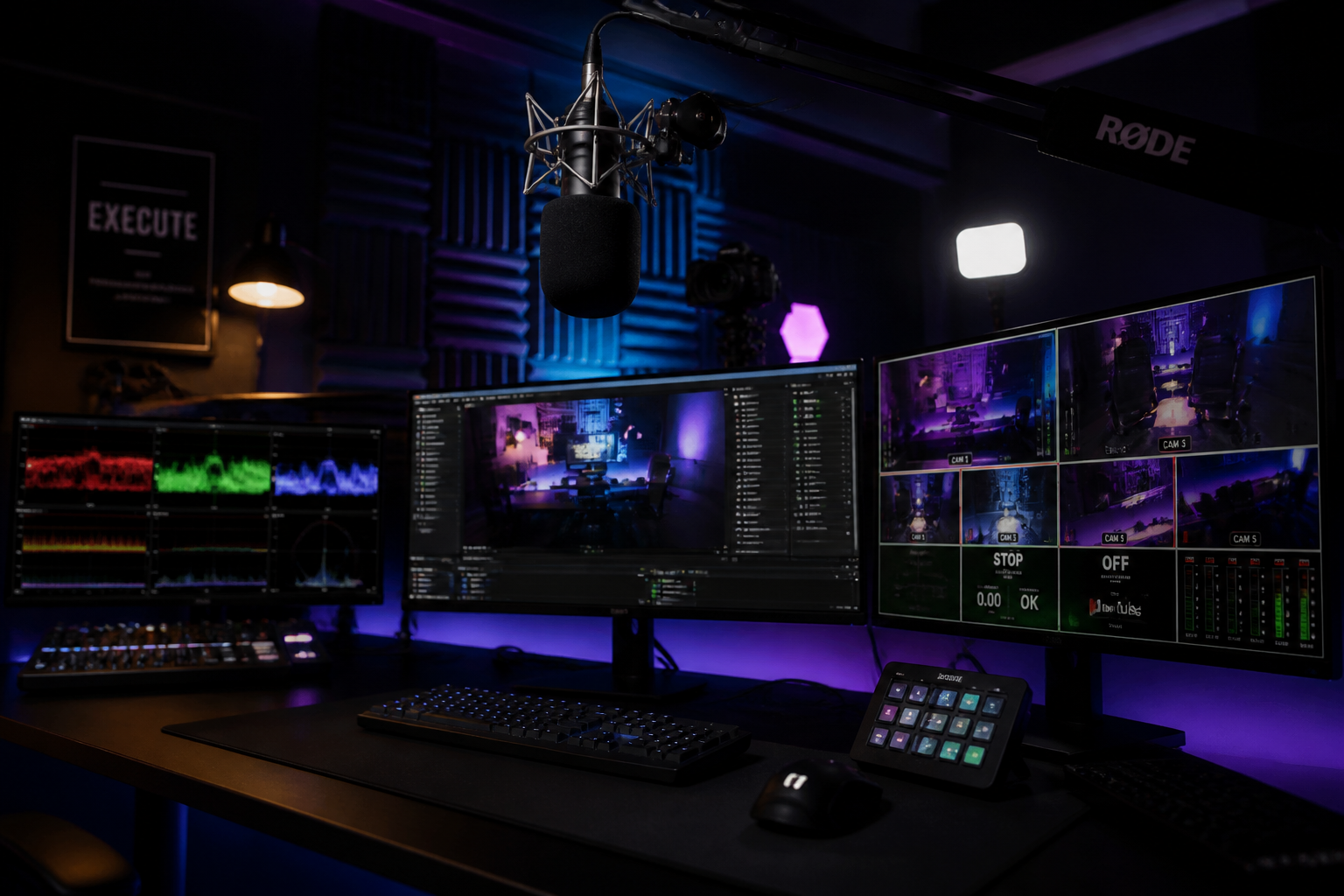
The barrier to entry has moved from 'how much gear do you own' to 'how well do you know your tooling.' Producers who can script their own OBS plugins or manage a cloud-based VM are the ones getting hired for the 'VCT Masters' circuit. They are the ones who can handle the pressure when a feed drops or a server lag-spikes, pivoting to pre-recorded 'break' assets with a single hotkey. The future of esports isn't just about the players on the stage; it’s about the invisible crew orchestrating the chaos from their home offices.
Elevating your broadcast from a hobby to a professional enterprise requires more than just high-end webcams. It requires an ecosystem designed for high-stakes storytelling and technical precision. As the industry scales toward the massive events of 2026, make sure your production workflow is built on a foundation that can handle the heat. Explore how HUDrift can streamline your data-driven overlays and transition your stream into a professional broadcast powerhouse.