StarCraft 3 Reportedly in Development: What It Means for Esports
A new report suggests StarCraft 3 is in development with a new studio. Here's what the potential sequel means for esports organizers and the RTS scene.
The real-time strategy world is buzzing with a major new report. According to a story published by Dexerto on September 3, 2026, a potential StarCraft 3 is in the works. The report suggests that a new development team may be taking the reins of the legendary franchise, signaling a fresh chapter for one of the foundational pillars of esports. While details are scarce and unconfirmed, the mere possibility of a sequel has massive implications for players, casters, and tournament organizers.
What the Report Claims
The core of the news is that development for StarCraft 3 may be underway, but not by the original Blizzard Entertainment team most associated with the series. This detail is significant, as a new studio could bring a completely different design philosophy to the game's mechanics, factions, and competitive balance. A fresh perspective might be exactly what the franchise needs to attract a new generation of players while still honoring its complex, high-skill legacy.
A change in developers could also impact the game's esports ecosystem from the ground up. New leadership might prioritize different features for observers, casters, and tournament APIs. For anyone who has broadcasted or competed in StarCraft II, this means the tools and workflows you've mastered could be entirely different in a potential sequel, opening the door for new broadcast innovations.
Why a StarCraft Sequel Is a Huge Deal
StarCraft: Brood War and StarCraft II are not just games; they are foundational esports. They defined what high-level, one-on-one competition could be, with legendary tournaments like the Global StarCraft II League (GSL) in Korea setting the standard for production and player skill for over a decade. The series is synonymous with strategic depth, mechanical prowess, and dramatic storylines that have captivated audiences for years.
However, the RTS genre has since been largely overshadowed by MOBAs and tactical shooters in the mainstream esports landscape. A modern sequel like StarCraft 3, backed by a major publisher, could completely revitalize the genre. It represents a chance to re-engage a massive, dedicated fanbase and introduce the unique thrill of real-time strategy to a broader audience that may have missed its golden era.
The Legacy of StarCraft II's Community
Even after official support for the StarCraft II pro circuit (WCS) ended, the community has kept the competitive flame alive. Passionate organizers and broadcasters continue to run successful tournaments, from local online cups to major events funded by crowdfunding. This proves there is a resilient and dedicated audience hungry for high-level RTS competition, an audience that would form the bedrock of a new StarCraft 3 scene.
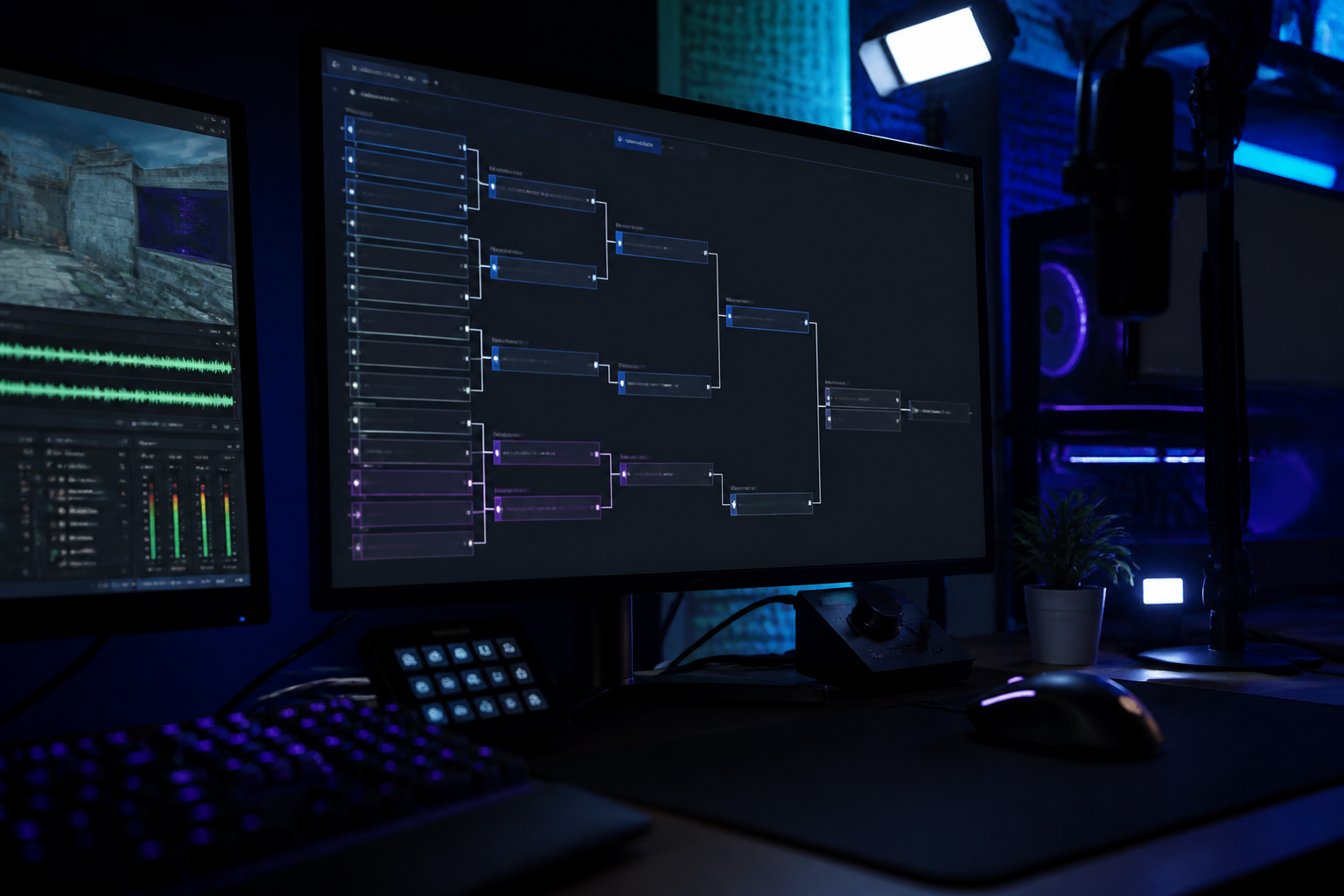
This existing infrastructure of community-run events provides a blueprint for what works. Organizers have spent years perfecting formats, building narratives, and engaging players on platforms like Discord. A new title would be an opportunity to apply these grassroots lessons on a much larger scale, leveraging modern tools to manage signups, brackets, and communication more efficiently than ever before.
What This Means for Tournament Organizers
For tournament organizers and aspiring casters, a new StarCraft is a call to action. It's a rare chance to get in on the ground floor of what could be the next major esport. Establishing your community and brand early, even before the game is released, will give you a significant head start. You can begin by running events for other RTS titles or revisiting StarCraft II to build an audience and refine your production workflow.
Start planning now for how you'll manage a new wave of players. Think about the tournament formats you want to run, how you'll handle player communication, and what your broadcast will look like. Platforms that automate the administrative burden are essential for capitalizing on the launch hype. You can prepare your community for this future by using tools that streamline the entire process, from signups to seeding.
The report on StarCraft 3 is a reminder that the esports landscape is always evolving. Whether you're a veteran of the GSL or new to the RTS scene, now is the time to prepare. Build your community, hone your casting skills, and get your operations in order. When the next big title drops, you'll be ready to lead the charge. To get a head start, you can run a tournament on HUDrift today and see how easy it is to manage your players and events.
Frequently Asked Questions
- Is StarCraft 3 officially confirmed?
- No, StarCraft 3 is not officially confirmed by Blizzard or any developer. The news is based on a report citing insider sources. Until an official announcement is made, this should be treated as a rumor, albeit a very exciting one for the esports community. Organizers should monitor official channels for any concrete information.
- How would a new StarCraft affect the existing SC2 scene?
- A sequel would likely cause a major migration of players, casters, and viewers. While a dedicated core may stick with StarCraft II, most of the competitive focus would shift to the new title. This presents an opportunity for SC2 tournament organizers to either pivot to the new game or solidify their position as the home for legacy competition.
- What makes the RTS genre good for esports tournaments?
- The one-on-one format of RTS games like StarCraft creates intense, personal rivalries that are easy for viewers to follow. The genre demands incredible strategic thinking, multitasking, and mechanical speed, making it a pure test of individual skill. This creates compelling narratives of triumph and defeat that are perfect for broadcasting and casting.
- How can I prepare my community for a new game like StarCraft 3?
- Start building a community hub now, like a Discord server, for general RTS fans. Run tournaments for existing games to build engagement and test your organizational workflow. With HUDrift, you can automate signups and match DMs on Discord, letting you focus on creating content and hype around the potential new release. This ensures you have an active, ready-made audience when the game launches.